Table Of Content
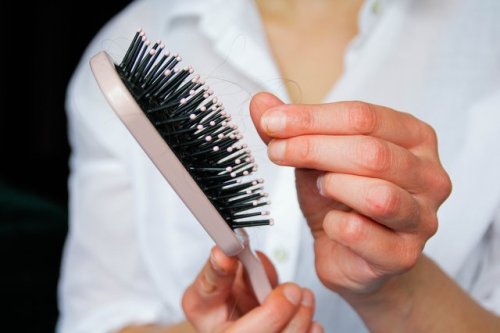
Hair shedding usually starts within seven to 14 days of the first administration, and hair loss becomes evident one to two months after. In some cases, especially in those who take multiple cycles of chemotherapy, hair loss may be almost complete. After stopping the medication, hair regrowth may take up to three months. The incidence of hair loss with these medications may depend on your dose, age, and duration of treatment.
The role of vitamins and minerals in hair health: Essential nutrients for strong and healthy hair
While many different medications are labeled with hair loss as a potential side effect, with the exception of chemotherapy treatment, it’s quite rare with most of those medications. This means typically, normal hair growth will resume when people stop taking the drug. In rare cases, however, people can experience permanent hair loss. There are two main types of drug-induced hair loss, which include anagen effluvium and telogen effluvium. Telogen effluvium is the most common form of drug-induced hair loss.
How do I know which type of hair loss I have?

Meanwhile, “the goal of a serum is to target the hair follicle directly by delivering compounds that may allow for improved or optimal hair growth,” says Dr. Mirmirani. These ingredients are those that aren’t typically found in the diet, such as minoxidil and plant-based compounds. If you have alopecia, you can help hold onto your tresses by avoiding behaviors that are known to contribute to temporary and permanent hair loss, Mirmirani says. If you have healthy hair on the back or side of your head, a doctor can surgically remove hair strands from those areas and graft them into your scalp in a bare area. It’s another expensive treatment that isn’t generally covered by insurance, but it tends to be a long-lasting solution. It’s usually genetic, but it can also be triggered by diseases or disorders that attack the hair follicles.
How Jojoba Oil Can Promote Hair Growth
Does Creatine Cause Hair Loss? What to Know - Verywell Health
Does Creatine Cause Hair Loss? What to Know.
Posted: Thu, 21 Dec 2023 08:00:00 GMT [source]
Chemotherapy drugs may be the best-known cause of drug-induced alopecia. However, hair loss is a possible side effect of many different medications. After chemotherapy treatment, the hair usually grows back in very quickly, but it may change in texture. In rare cases, the hair will stay thin even after treatment has been stopped.
How do trees and green spaces enhance our health?
Oral contraceptives (birth control pills) and hormone replacement therapy both generate hormonal changes that may cause hair loss or thinning. Estrogen and progesterone, specifically, have been linked to telogen effluvium and female pattern baldness. A dermatologist may recommend over-the-counter (OTC) topical minoxidil as a first treatment option.
What can you do about drug-related hair loss?
This type of hair loss typically resolves on its own once the underlying cause is addressed. Many types of wigs, including ones that can be custom-made for you, are available. If you’re looking for a concealer, such as a spray or powder that can hide hair loss, you’ll find many products available online. With endless choices, it can be helpful to have a dermatologist guide you in selecting one.
Anagen effluvium
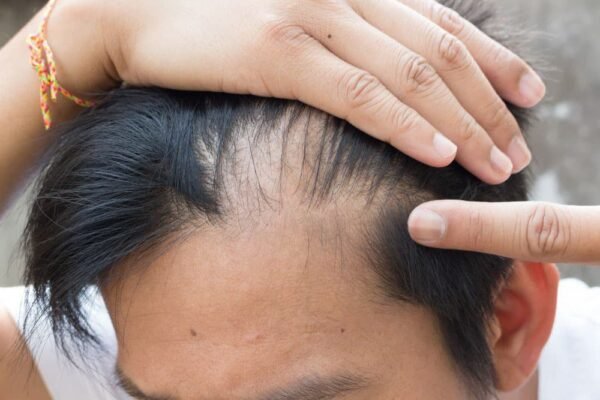
Since it may take weeks or even months after the trigger event for hair loss to begin, it’s often hard to know the exact cause. But when the body experiences a trauma, sudden, substantial shedding can occur. Triggers can include an acute illness, stress, a severe nutritional deficiency, rapid weight loss — or a drug that proves toxic to hair follicles. Drugs can be the culprit for a condition known as drug-induced telogen effluvium, which leads to increased shedding on top of the scalp a few months after exposure. Drug-induced alopecia––hair loss that develops as a side effect of medication––often occurs within three months of starting a new drug. The exact timeline depends on the drug and the type of hair loss.
From Mayo Clinic to your inbox
The most accessible hair loss treatments are those made with minoxidil. Brands like Rogaine are widely available over the counter at pharmacies and online retailers. If you experience any side effects while taking hair loss medications, notify your doctor or pharmacist immediately.
This salt then shortens the telogen phase of the hair and causes the hair to enter the anagen stage. People using minoxidil may start to see their hair growing back within 3–6 months. Prescription drugs used to treat hair loss — finasteride, spironolactone, and dutasteride — are more accessible with subscription-based telehealth platforms like Hims, Keeps, and Roman.
Over-supplementation of some nutrients, such as vitamin A, vitamin E, and selenium, may also cause hair loss. If you aren’t ready to meet with a doctor just yet, there are over-the-counter treatments you could consider using, but those results may take several months to see. If you’re interested in prescription-strength products, such as oral finasteride, Hims can connect you with a healthcare professional from your own home. When it comes to hair loss, spironolactone is specifically used for women because it targets certain hormones. This is true for damaged hair follicles from too-tight hairstyles, damaged hair follicles from chemicals applied to the hair, and damages caused by certain autoimmune diseases. Hair loss can also be a side effect of some medications, especially chemotherapy medications to treat cancers.
This medication works by blocking the action of an enzyme that converts the hormone testosterone to another hormone, dihydrotestosterone, that causes hair loss. Minoxidil formulas typically consist of liquids, foams, and shampoos. In studies, minoxidil was applied to hair that was completely dry. Most manufacturers suggest you apply it to dry or towel-dried hair.
Anabolic steroids for muscle-building and testosterone replacement therapy, which is often used to treat low testosterone, have both been linked to hair loss in males. A common question is whether blood pressure medication can lead to hair loss. However, there are other cases where hair loss occurs prematurely, and that can happen as a result of major illness, poor diet, significant weight loss, childbirth, or even medications. A 2019 mouse study suggests that topical application of the many fatty acids present in pumpkin seed oil can promote hair growth.
Male-pattern hair loss is what causes a receding hairline and baldness in men. In women, female-pattern hair loss typically affects the crown or top of the head first, Mirmirani says. Women may notice that their part is becoming wider or that their scalp is more visible. When using any topical products or taking oral medications, there may be side effects or possible interactions. If you are concerned about certain side effects or want to know if you can take a hair loss medication with other drugs, consult your doctor or pharmacist. This is considered the most effective treatment for people who have a few patches of alopecia areata, a condition that causes hair loss.
Minoxidil is FDA-approved as a treatment for androgenic alopecia. According to 2021 research, experts believe it shortens the hair’s resting phase — called the telogen phase — and extends the growth phase, called the anagen phase. Baldness typically refers to excessive hair loss from your scalp. Hereditary hair loss with age is the most common cause of baldness.
When hemoglobin is too low, you can become anemic and lose hair as a result. Normal levels of vitamin B are also critical to maintaining healthy hair. Here are some of the types of medications that can cause hair loss as a side effect. The most important step is to test your serum before using it for the first time. “Apply the serum to a small spot on the scalp for a few days to ensure that there is no irritation before applying it more broadly,” says Dr. Mirmirani. “A measured approach is best.” To that end, get comfortable with the fact that you’ll need to be both consistent and patient in your usage, as the results can take time.
As such, it may offer an alternative option for treating hair loss. Hair loss that occurs during the telogen phase usually resolves within 6–9 months after ceasing the medication. This is due to the normal length of the telogen phase being between 3–6 months. However, depending on the length of hair, it may take several months for the overall hair volume to gradually return to normal. Connecting with a doctor as soon as you see the early signs of hair loss may result in an early diagnosis and both of you can discuss which options are available.




No comments:
Post a Comment